
-
HEALTH CARE
 Aveline-Hand-Sanitizer-Mint
 Aveline-Hand-Sanitizer-Mango
 -
EYE CARE
 Aveline-Eyebrow-Growth-Serum
 Aveline-Eyelash-Serum
 -
SKIN CARE
 Aveline-herbal-moisture-cream
 Aveline-colagen-moisture-cream
 -
Hair care
 Aveline Hair Growth Stimulator
 Aveline Beard Growth Treatment
News - events
Chest Hair in Women
The appearance of chest hair in women is a concern that may surprise some women or make them feel a little self-conscious. In fact, hair growth on the chest is a normal phenomenon directly related to genetics, hormones, and skin structure. However, in some cases, it may be a sign of an underlying health condition that requires attention. In this article, Aveline will help you understand chest hair in women and the causes behind this condition.
What Is Chest Hair in Women?
Chest hair in women typically grows around the nipples, on the upper chest, and around the areolas. This hair may be soft, fine, and light in color, but in some women, it can be darker, longer, and thicker. This phenomenon often appears during puberty and may change with hormonal fluctuations and age.
Although less common than in men, chest hair in women is a normal physiological occurrence. Chest hair helps protect hair follicles and the skin, particularly in areas where the skin is thin and sensitive.
See also: Aveline Eyelash Growth Serum
Causes of Chest Hair Growth in Women
Below are some common causes of chest hair growth in women that you may find helpful to understand.
Hormonal Changes
The hormones progesterone and estrogen play a role in regulating hair growth in women's bodies.
- Puberty: Chest hair may begin to appear alongside other signs of physical maturation.
- Pregnancy: Significant hormonal changes may cause chest hair to become darker or grow more abundantly.
- Menopause: Declining estrogen levels may cause chest hair to become coarser or more noticeable.
- These changes are generally normal physiological processes and are not usually a cause for concern unless accompanied by other symptoms.
See also: Aveline Extra Strength Hair Growth Treatment
Increased Production of Androgens (Male Hormones)
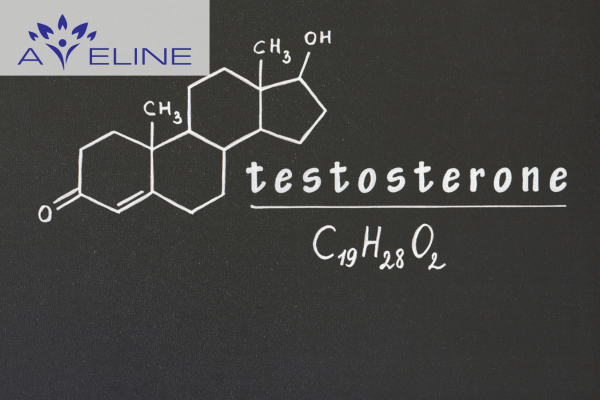
When a woman's body produces excessive amounts of testosterone, chest hair may become darker, thicker, or more prominent. Hair may also appear in other areas, such as the back, abdomen, or face.
Other associated symptoms may include acne, oily skin, thinning scalp hair, hair loss, absent periods, irregular menstrual cycles, and increased muscle mass. If you suspect excessively high androgen levels, you should consult a healthcare professional for evaluation and appropriate treatment.
Polycystic Ovary Syndrome (PCOS)
.png)
PCOS is a common hormonal disorder that affects reproductive hormone balance in women. It may be associated with irregular menstrual cycles, fertility problems, and excessive hair growth in areas such as the face, back, and chest.
If chest hair growth occurs alongside these symptoms, women should seek medical evaluation to determine the underlying cause and receive an appropriate treatment plan.
Medication Side Effects
.png)
Certain medications may also contribute to chest hair growth. These include glucocorticoids, some hormone replacement therapies, testosterone, and immunosuppressive medications.
If medication is suspected to be the cause, a healthcare professional may consider changing the medication or adjusting the dosage, depending on the circumstances. Do not stop taking or change the dosage of prescribed medication without consulting your doctor.
See also: Using Hair Growth Products for Men's Pubic Hair – Aveline
Cushing's Syndrome
.png)
Cushing's syndrome occurs when the body is exposed to excessive levels of cortisol over a prolonged period. Symptoms may include increased or abnormal hair growth, easy bruising, a rounded or flushed face, reduced sexual desire, menstrual irregularities, and fat accumulation around the abdomen, shoulders, and upper body.
Potential causes include adrenal gland tumors and prolonged use of glucocorticoid medications.
Genetic Factors
.png)
In addition to physiological factors, chest hair growth in women is also influenced by genetics. If your mother or sisters have noticeable chest hair, you may be more likely to have similar characteristics.
The skin around the breasts and nipples contains hair follicles and sebaceous glands. As a result, some women naturally develop more visible hair in these areas.
Stimulating Chest Hair Growth in Women with Aveline Serum
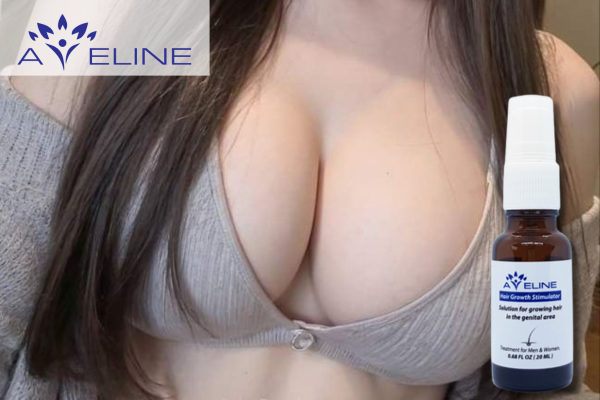
If you naturally have little or no chest hair and would like to experience having more visible chest hair, Aveline Chest and Abdominal Hair Growth Product is marketed as a solution intended to support hair follicle stimulation and promote stronger, faster hair growth. However, its effectiveness and safety for use on women's chest skin have not been established by the information provided here. Before using any hair growth product around the breasts or nipples, consult a qualified healthcare professional and check whether the product is suitable for that sensitive area. 092624917987
Chest hair is not merely a biological characteristic; it can also have personal aesthetic significance, reflecting individuality and personal style. For some women, having soft, fine chest hair is a natural feature they appreciate.
Body hair can provide some protection against friction and may help regulate the skin's microenvironment. However, chest hair should not be considered a substitute for sunscreen, appropriate skin care, or other forms of protection against ultraviolet radiation.
Fine chest hair may also contribute to a distinctive, natural, and individual appearance. Some women feel more confident with visible chest hair, viewing it as a unique personal characteristic that makes them feel attractive and different in their own way.
Conclusion
Through this article, Aveline has explored chest hair in women and the potential causes of this condition. Chest hair growth in women is often a normal physiological variation and generally does not affect health. Common contributing factors include hormonal changes, elevated androgen levels, medication side effects, polycystic ovary syndrome (PCOS), and genetic predisposition.
If chest hair appears suddenly, increases rapidly, or is accompanied by irregular periods, severe acne, scalp hair loss, or other unusual symptoms, it is advisable to consult a healthcare professional for further evaluation.