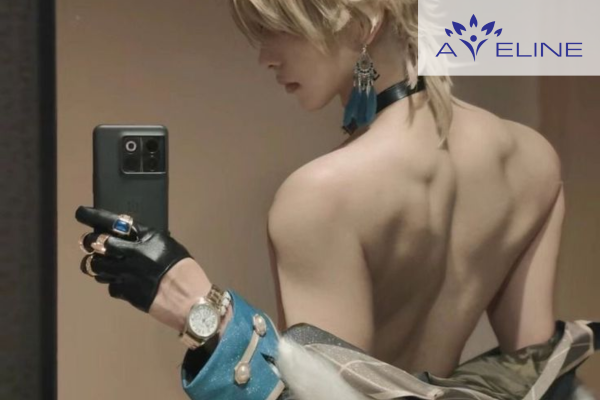
Hair growth on the male back: what does it mean?
During human development, hair is a natural physiological feature that plays multiple roles in the body. Back hair can sometimes make you feel uncomfortable and curious about its meaning. So what does back hair in men actually mean? Aveline will help you find the answer in the article below.

Back hair usually begins to appear after puberty due to increased levels of the male sex hormone testosterone. In some men, back hair grows quite thick, especially on the back and sides of the torso. Meanwhile, others may have very little or almost no back hair and wonder why.
Each person has a different level of back hair growth depending on hormones, genetics, and lifestyle factors. Some men inherit this trait from their parents. It is especially common in people from Middle Eastern or European backgrounds. Although back hair is a normal biological phenomenon, many men feel self-conscious about it, especially when wearing open-back clothing or going to the beach.
See more: Hair Growth on Men’s Back
Here are some common reasons why back hair may grow more densely:

See more: White arm hair

From a medical perspective, back hair is generally harmless and not a sign of disease. However, in rare cases, excessive back hair may be associated with conditions such as Cushing’s syndrome or other hormonal disorders, including adrenal tumors. It is also related to natural male physiology and hormone levels. However, it is not an indicator of fertility or sexual health.
If back hair suddenly becomes unusually thick and is accompanied by symptoms such as voice changes, acne on the back, or disrupted biological rhythms, you should see a doctor to check your hormone levels, as it may indicate an underlying medical condition.
In some cultures, back hair is seen as a symbol of strength, maturity, and masculinity. In the 20th century in particular, hairy men were often considered strong, attractive, and manly. However, in other cultures, a clean and groomed appearance is preferred, leading many people to remove body hair.

Whether to remove back hair depends on personal preference, aesthetic needs, health condition, and cultural background.
Back hair is not harmful and can even help protect the skin from direct sunlight, retain body heat in cold weather, and reduce friction between clothing and skin. However, if back hair causes odor, is too dense, contributes to back acne, or feels uncomfortable due to heat, many people choose to remove it.
Some also remove back hair to feel more confident when wearing swimsuits, tank tops, or going to the beach. If your back tends to sweat a lot, keeping thick hair may trap sebum and bacteria, potentially leading to acne.
In summer, a hairless back can feel cooler and aligns with modern beauty standards. This is especially important for professions that require cleanliness and grooming, such as athletes, models, or beauty-related jobs.
However, some people have sensitive skin that reacts poorly to waxing, shaving, or laser hair removal. If back hair does not affect your comfort, health, or daily life, there is no need to remove it. Many people are comfortable with their back hair as it is part of their natural body and represents masculinity.
See more: Hair Care with Pears
.png)
Aveline is a well-known product line suitable for people with Asian body types. Its serum is designed to stimulate dormant hair follicles, providing nutrients such as Vitamin B5 and Biotin. With natural herbal extracts, it helps strengthen hair follicles and promote thicker hair growth safely without irritation.
Product code: 092624917987
Back hair in men is not something negative. In some cases, it can even represent strength, maturity, and strong hormonal activity. For those who want a bold and distinctive appearance, Aveline back hair growth serum can be a safe and refined choice.
Through this article, Aveline has helped answer the question of what back hair in men means and why it appears. Back hair in men is not something bad or shameful. It is simply a natural part of the body influenced by hormones and genetics.