
-
HEALTH CARE
 Aveline-Hand-Sanitizer-Mint
 Aveline-Hand-Sanitizer-Mango
 -
EYE CARE
 Aveline-Eyebrow-Growth-Serum
 Aveline-Eyelash-Serum
 -
SKIN CARE
 Aveline-herbal-moisture-cream
 Aveline-colagen-moisture-cream
 -
Hair care
 Aveline Hair Growth Stimulator
 Aveline Beard Growth Treatment
News - events
Is Hair Growing Inside the Ear Good or Bad?
Hair growing inside the ear is a natural phenomenon, but it often makes many people curious or concerned. In particular, when the hairs become longer, thicker, or darker, they can cause discomfort and make you feel self-conscious. So, is hair growing inside the ear actually good? Let’s explore this question with Aveline in the article below.
What Is Hair Growing Inside the Ear?
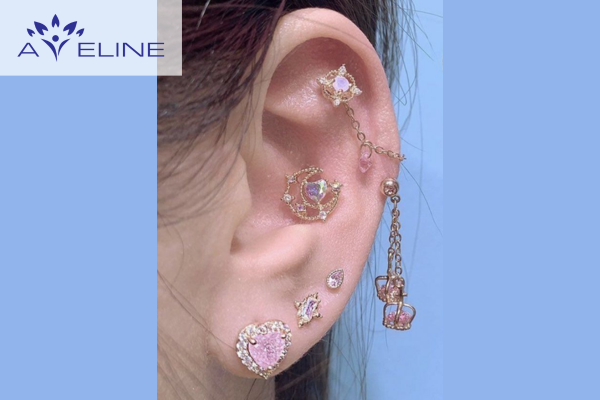
Ear hair refers to the small hairs that commonly grow around the inner edge of the ear or inside the external ear canal. They may be fine and soft or thick and dark. Most people have some ear hair, but its thickness, length, and color vary depending on gender, genetics, individual characteristics, and age.
See also: Ear Hair Growing on the Right Outer Ear
Is Hair Growing Inside the Ear Good?
The answer is yes. Under normal circumstances, hair inside the ear is a natural part of the body and plays a protective role. Below are some of the potential benefits of ear hair:
Protecting the Ears
Ear hair acts as a natural filter that helps prevent bacteria, dust, foreign particles, and small insects from entering the ear. Together with earwax, it forms a protective barrier that helps maintain a stable and healthy environment inside the ear.
Reducing the Risk of Ear Infections
By filtering particles from the air, ear hair may help reduce exposure to contaminants. In particular, it can contribute to protecting the external ear canal from bacteria and dust. Earwax also contains substances with antibacterial properties, while ear hair helps prevent foreign particles from penetrating deeper into the ear.
Maintaining Microbial Balance
Ear hair may help regulate moisture and airflow within the ear, contributing to a balanced environment for microorganisms. This can be particularly relevant for people who are prone to ear irritation or have sensitive ears.
See also: What Does Hair Growing on a Woman’s Back Mean?
Why Do Some People Have More Ear Hair?
In some cases, ear hair can become thick, long, and abundant, particularly in older men. This may occur for several reasons:
- Age: As men get older, hormonal changes, including the effects of testosterone and other androgens, can cause hair in areas such as the ears to become longer and thicker. This is generally a normal physiological change rather than a disease.
- Genetics: Some people naturally have more body hair due to genetic factors. If close family members, such as a father or grandfather, have abundant ear hair, you may be more likely to have it as well.
- Hormonal factors: Changes in androgen activity can influence hair growth in certain areas, including the ears.
- Rare genetic conditions: Excessive hair growth throughout the body, including the ears, can rarely be associated with conditions such as hypertrichosis. However, this is uncommon.
See also: Is Hair Growing Inside the Ear Good or Bad?
Can Hair Inside the Ear Cause Any Problems?
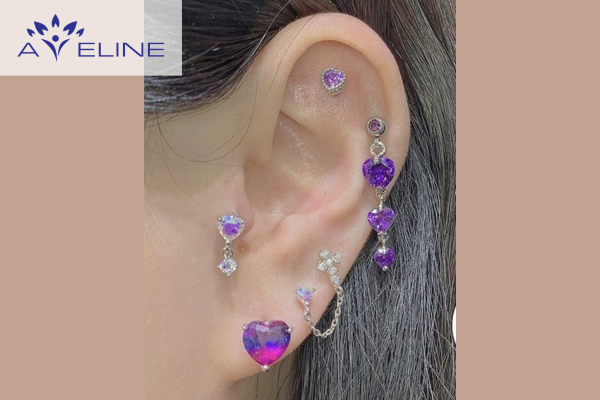
In most cases, hair growing inside the ear does not cause harm. However, if the hair becomes excessively thick, coarse, or dense, it may cause discomfort or itching, especially in hot weather or when you sweat heavily. Very dense hair may also contribute to blockage of the ear canal and the accumulation of earwax.
In older adults, excessive ear hair may also interfere with the use of hearing aids and may therefore need to be trimmed. In addition, very long hairs that protrude from the ear can affect appearance and make some people feel self-conscious.
Should You Cut or Pluck Hair Inside the Ear?
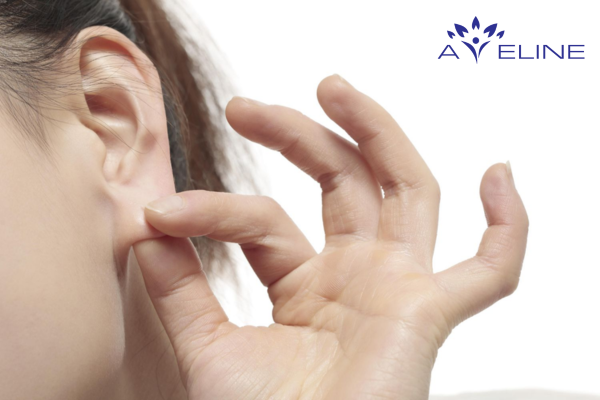
If ear hair becomes too thick or long and affects your comfort or appearance, you can trim it carefully. It is best to use small, blunt-tipped scissors or a trimmer specifically designed for use around the ears. Clean the tool before and after use, and trim gently to avoid injuring the delicate skin.
Do not use tweezers to pluck ear hair, as this can cause scratches, infection, or folliculitis. Avoid using razors or other sharp objects to shave too closely to the skin because they may cause cuts or irritation. Because the skin around the ear is sensitive, hair-removal creams and wax should also be avoided, as they may cause burns, irritation, or dermatitis.
Aveline Ear Hair Growth Serum for Ear Protection
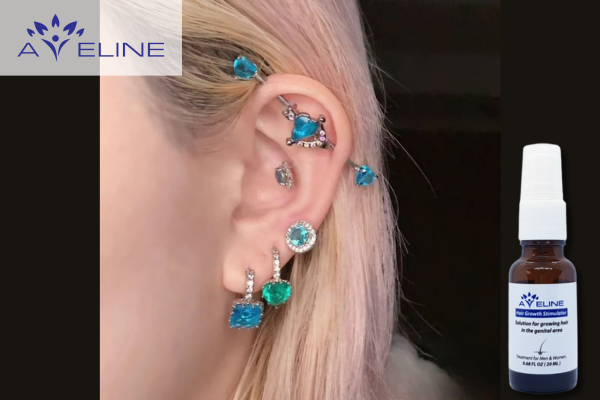
If you have very little ear hair or your ear hair is fine and sparse, Aveline offers an ear hair growth serum. The product is described as a gentle, natural solution designed to stimulate ear hair growth without leaving a greasy feeling or causing irritation. 092624917987
The serum is marketed as a way to help restore the ear’s natural protective mechanism. Rather than removing ear hair or using invasive procedures that may damage sensitive ear tissue, the product aims to support the growth of protective hair.
Conclusion
Through the article above, Aveline has helped answer the question: Is hair growing inside the ear good or bad? Ear hair is a normal phenomenon and can provide a degree of protection for the ears by helping keep out foreign particles, dust, bacteria, and small insects. However, if it becomes excessively long or dense, it may cause discomfort and interfere with daily activities.