
-
HEALTH CARE
 Aveline-Hand-Sanitizer-Mint
 Aveline-Hand-Sanitizer-Mango
 -
EYE CARE
 Aveline-Eyebrow-Growth-Serum
 Aveline-Eyelash-Serum
 -
SKIN CARE
 Aveline-herbal-moisture-cream
 Aveline-colagen-moisture-cream
 -
Hair care
 Aveline Hair Growth Stimulator
 Aveline Beard Growth Treatment
News - events
Why Do Women Have Excessive Leg Hair and How to Fix It?
Leg hair is often a source of insecurity for many women because it goes against the image of femininity and gentleness. So why do women have excessive leg hair? Let’s explore this topic with Aveline through the article below.
Benefits of Leg Hair
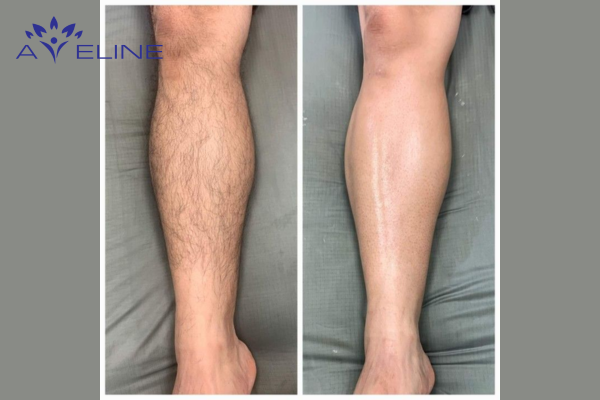
Leg hair may not be considered aesthetically pleasing, but it actually provides many benefits for the skin. Leg hair can regulate the temperature of the skin on the legs, keeping them warm in cold weather and cooler in hot weather. Moreover, leg hair protects the skin from dirt and alerts you to foreign creatures when they lightly touch the leg hair.
If your leg hair grows normally, is not too thick, too long, or too dark, then you do not need to remove it. Removing leg hair incorrectly can cause the skin to lose its natural protective barrier and easily become irritated.
If leg hair grows too thick, it can clog the hair follicles and reduce the aesthetic appearance of the legs. At this point, you may need to apply scientific hair removal methods or ways to thin out leg hair.
See more: How to Neatly Groom Pubic Hair
Explaining Why Women Have Excessive Leg Hair
Normally, women have less body hair than men, and the hair is usually lighter and thinner. However, some women experience excessive hair growth, which reduces their confidence in their appearance. Below are some causes of excessive leg hair growth:
High Androgen Levels
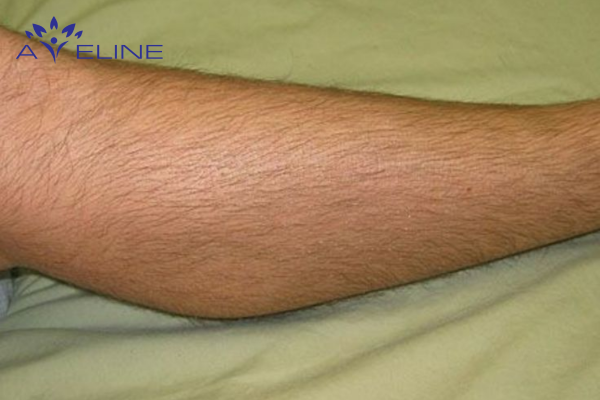
Normally, androgens are only secreted in small amounts from the ovaries and adrenal glands. However, if you have ovarian cysts, adrenal gland tumors, or polycystic ovary syndrome, androgen levels may suddenly increase. This causes women to have more body hair and darker hair compared to others. In addition, prolonged high androgen levels may lead to irregular menstruation and obesity.
See more: Why Do Men Have More Leg Hair?
Side Effects of Medication
Women who use birth control pills or hormonal medications for a long time may develop excessive hair growth. In particular, hormonal medications can cause the body to retain water, making you appear heavier and more prone to acne.
Cushing’s Syndrome
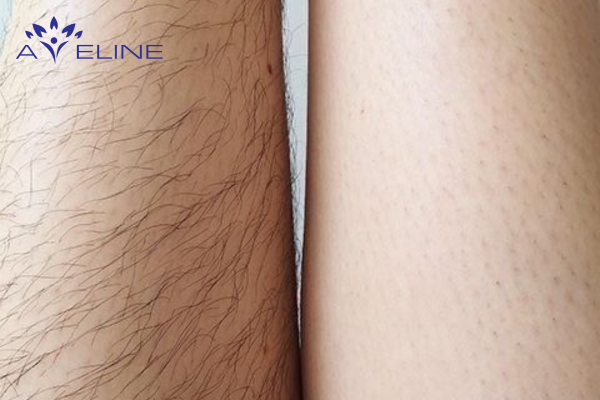
This is one of the causes of excessive leg hair growth in women. When the body is exposed to high cortisol levels due to medication use or congenital adrenal disorders, it can lead to excessive leg hair growth, causing many women to seek ways to remove unwanted hair.
Genetics
If members of your family also have a lot of body hair, this may be the reason for your excessive hair growth. Sometimes genes in the body cause excessive production of testosterone or androgens, leading to thick hair growth.
Idiopathic Causes
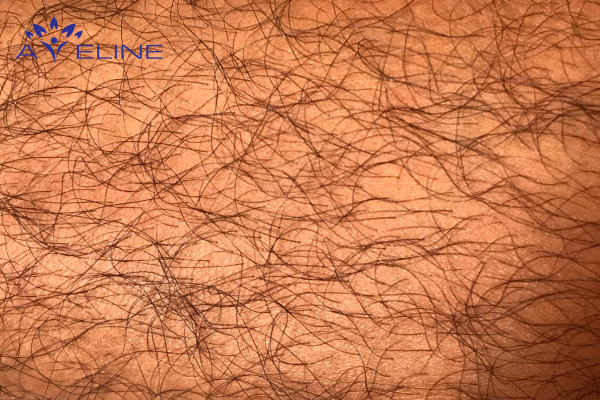
Sometimes excessive hair growth is not caused by any abnormal condition. In these cases, the menstrual cycle remains regular and androgen levels are completely normal. Experts call this condition idiopathic hirsutism, meaning excessive hair growth that occurs without an underlying disorder.
Ways to Remove Excessive Leg Hair at Home
After understanding the reasons behind excessive leg hair growth, many women look for effective hair removal methods. There are many hair removal methods available today that you can choose from.
See more: Why Shouldnt You Pluck Leg Hair?
Shaving Leg Hair
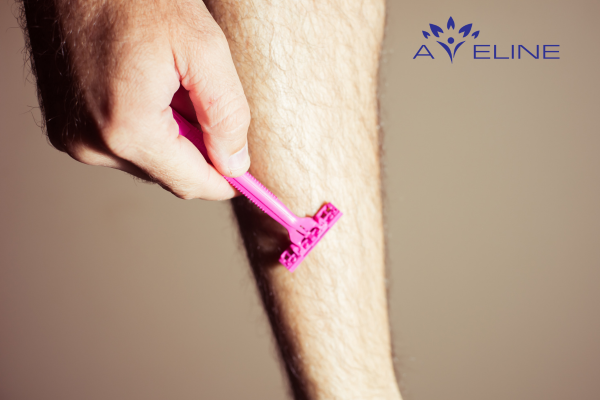
Shaving leg hair is the simplest method and the first solution many people think of. This is a temporary hair removal method; after some time, the hair will grow back quickly and may appear darker.
When shaving, you should wet the skin and use shaving cream, body wash, or conditioner to make shaving easier. This helps prevent scratches, bleeding, peeling, and cracked skin while shaving leg hair.
Bleaching Technique
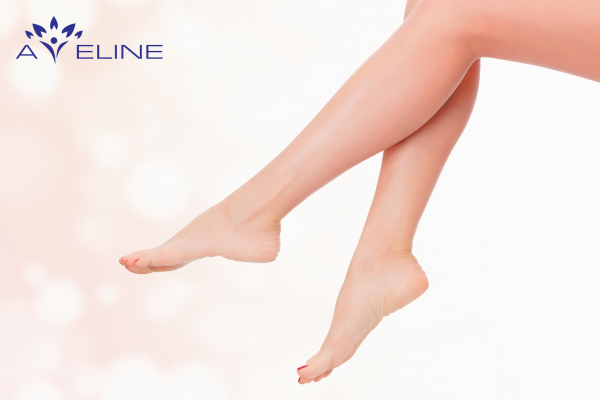
Bleaching is not actually a hair removal method, but it helps reduce attention to the hair by making it less visible. This method is suitable for people whose leg hair is thin but dark in color, using bleach to remove pigment from the hair.
Plucking with Tweezers
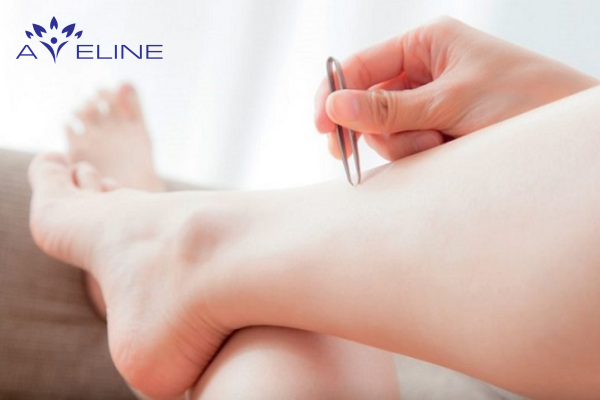
This is an effective method, and it takes some time before the hair grows back. However, it is time-consuming. Plucking hair can also be painful and irritating. If you only want to remove a few leg hairs, this method is suitable for you. However, removing hair over a large area may cause ingrown hairs and enlarged pores.
Hot Waxing

This is an effective method that helps remove many hairs at the same time, and the hair takes longer to grow back. Heat the wax and let it cool slightly, then apply it evenly to the area of hair you want to remove in the direction of hair growth. When the wax cools and the hair sticks to it, use a strip and pull it quickly in the opposite direction of hair growth to remove the hair.
When using hot wax, you need to be careful to avoid burning the skin and follow the instructions carefully. Hot waxing may cause pain, infection, redness, ingrown hairs, and skin cracks.
Feel More Confident with Your Leg Hair Thanks to Aveline Leg Hair Growth Serum
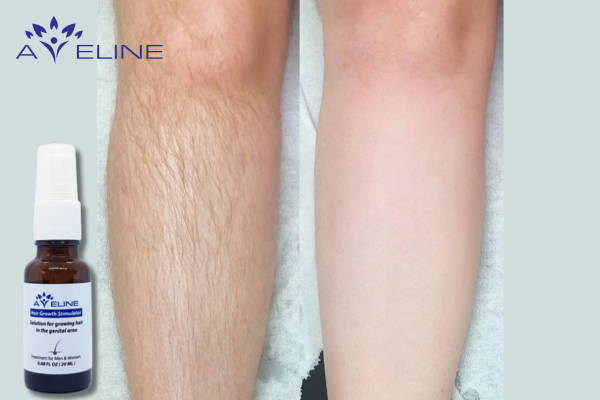
If you feel self-conscious about sparse, light-colored, or uneven leg hair, Aveline Leg Hair Growth Serum may be the perfect solution for you to naturally nourish your leg hair. Product code: 092624917987
It stimulates fast leg hair growth with a special formula that provides nutrients for leg hair. As a result, the leg hair grows evenly, quickly, strongly, and naturally. In addition, the serum helps add moisture, keeping the skin on your legs smooth and preventing dryness and flaking.
If you do not like removing leg hair but still want smooth and healthy legs, Aveline Serum will be an option for you to experience and achieve your desired leg hair. Proper leg hair care helps you maintain a feminine and natural appearance without worrying about frequent hair removal.
Conclusion
Through the article above, Aveline has helped answer the question: Why do women have excessive leg hair and how can it be removed? Excessive leg hair in women can be caused by many factors, from genetics to hormonal issues or medication side effects. However, leg hair not only has aesthetic significance but also provides certain health benefits, such as protecting the skin from environmental impacts, reducing friction from clothing, and helping regulate body temperature.