Back Hair in Women
Excessive hair growth on the back in women not only affects aesthetics but can also reduce confidence and impact psychological well-being. Although this is not a dangerous medical condition, it can sometimes be a warning sign of hormonal imbalance in the body. In the article below, Aveline will help you explore the condition of back hair growth in women.
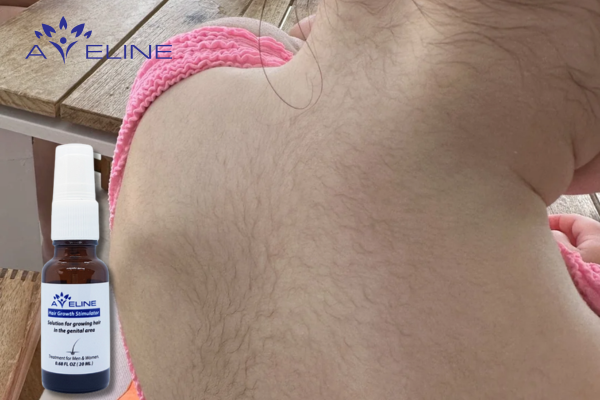
Normally, women’s body hair is light-colored, fine, and much less dense compared to men. However, some women may develop darker, thicker, and more abundant hair on the back. In particular, areas such as the shoulders, lower back, and along the spine may have more noticeable hair growth.
This condition may also be accompanied by other symptoms, such as:

When these signs appear, you should be cautious, as this is not only a cosmetic issue but may also indicate metabolic disorders and hormonal imbalance in the body.
See also: Hair around the nipples

See also: Hair on the left ear
Below are some possible causes of increased back hair growth in women:

Hormonal imbalance
The main cause of excessive back hair growth is increased androgen hormone levels. Women naturally have androgens in small amounts, but when these levels rise abnormally, hair can become thicker and more abundant.
There are many causes of hormonal imbalance, including postpartum period, pregnancy, puberty, perimenopause, insomnia, prolonged stress, use of contraceptive pills, irregular diet, and use of hormonal medications.
See also: What does ear hair mean?

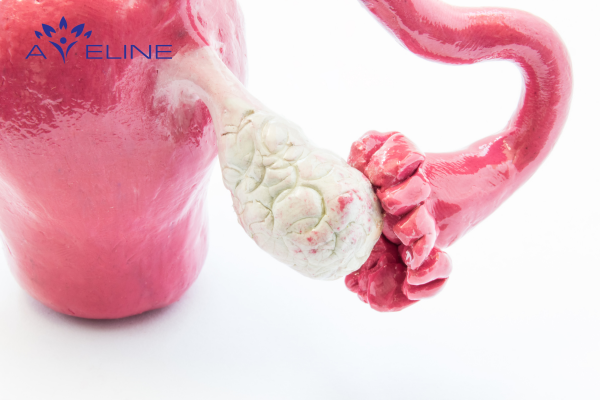
Polycystic ovary syndrome is the most common cause of excessive hair growth in women, especially on the back. Women with PCOS often have multiple small ovarian cysts, irregular menstrual cycles, and unexplained weight gain. Hair may also grow more densely in other areas such as the chest, face, and back.
Some individuals naturally have a higher tendency for body hair growth. If someone in your family has this trait, you may also experience it. People of South Asian, Middle Eastern, and Mediterranean descent tend to have a higher rate of body hair growth due to genetic factors.
Side effects of medication

Certain medications such as muscle-building drugs, anti-epileptic drugs, steroids, and hormonal treatments may cause increased androgen production or stimulate hair follicles, leading to abnormal hair growth.
Conditions such as Cushing’s syndrome and congenital adrenal hyperplasia increase the production of androgens and cortisol. These hormones can cause excessive hair growth across the body, including the back.
In some cases, no clear cause of excessive hair growth can be identified. This is called idiopathic hirsutism. It may occur without hormonal disorders but can still affect appearance and psychological well-being.
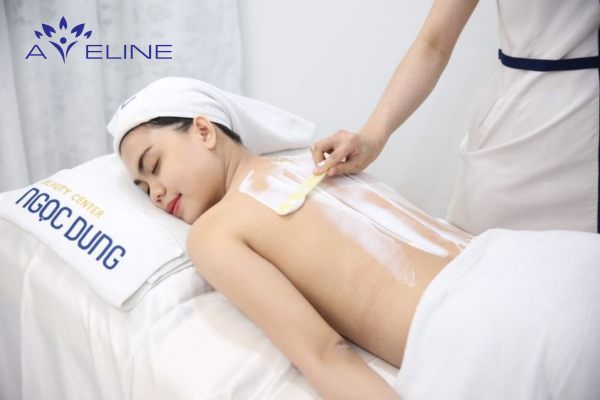
To treat excessive hair growth, it is important to identify the cause and choose an appropriate method:

If excess hair is caused by hormonal imbalance, medication prescribed by a doctor may be required. In addition, maintaining a healthy lifestyle—sleeping on time, losing weight if needed, eating more vegetables, reducing stress, and supplementing omega-3—can help improve hormonal balance.

While most women want to remove back hair, some may wish to stimulate hair regrowth in this area—for example, to achieve a more natural appearance after excessive laser hair removal, scarring, or for occupational reasons. Aveline back hair growth serum is a well-known product trusted by many users.
Product code: 092624917987
This serum helps stimulate weakened hair follicles due to medical conditions or previous laser hair removal. It supports hair regrowth, helps restore damaged hair, and promotes thicker, more even, and darker hair growth. It also moisturizes the skin on the back and reduces dryness and flaking during the regrowth process.
Through this article, Aveline has explored back hair growth in women, including its causes and treatment methods. Excessive back hair in women may be a normal physiological variation, but it can also indicate underlying medical conditions. Understanding the root cause is key to choosing the appropriate treatment method.