Hair growing on the left outer ear
During body care, many people may develop a few hairs in unusual areas. Hair growing on the left outer ear, although not painful or uncomfortable, often makes many people worry whether it is normal. In this article, Aveline will help you learn more about the condition of hair growing on the left outer ear and the causes of hair growth in this area.
Hair on the ears is a normal part of the body
Hair on the ears is a normal part of the body
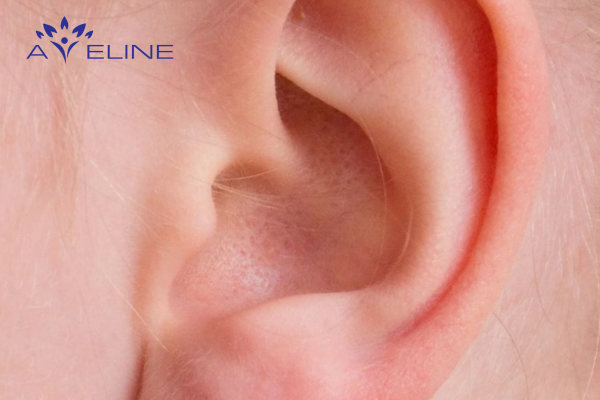
The ear also has hair like other skin areas. Normally, the body has soft, fine, light-colored, and barely visible vellus hair. Or thicker, darker, coarser hair is often found in areas such as the armpits, legs, and arms. The outer ear is part of the ear located on the outside and is covered with skin, so the presence of ear hair is normal. This does not necessarily indicate any abnormality or disease.
However, when the hair on the left ear becomes thicker, darker, and more noticeable, many people may feel uncomfortable or worried. Especially in older men, increased ear hair in some cultures is considered a sign of aging.
Read more: What does ear hair mean?
Causes of hair growth on the left outer ear
Causes of hair growth on the left outer ear
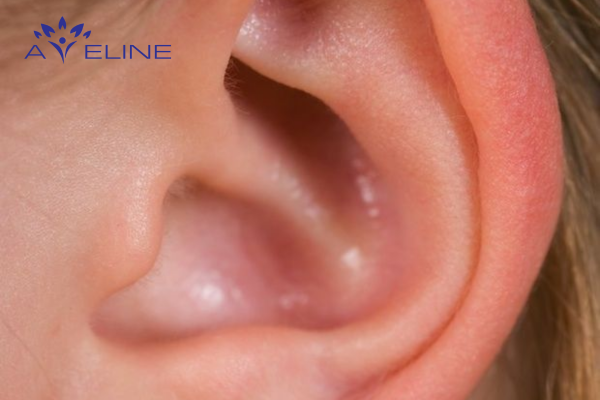
One of the main causes of noticeable hair growth in areas such as the ears is hormonal changes. In particular, the male sex hormone testosterone makes hair follicles in the ear more sensitive when men reach middle and old age. This leads to increased hair growth in the ears, even though previously there was almost no visible hair.
Some people have genetic factors that cause hair to grow thicker, denser, and darker than others. This is even more common in certain ethnic groups such as Middle Eastern and South Asian populations, where men tend to have more body hair.
As people age, hair becomes darker and grows longer—this is a natural part of the aging process. The body produces fewer sex hormones than before, making hair follicles more sensitive.
In some rare cases, abnormal and rapid hair growth in certain areas may be a sign of medical conditions such as polycystic ovary syndrome (PCOS), adrenal tumors, or steroid use.
Read more: Hair growth on the neck in men
What function does ear hair serve?
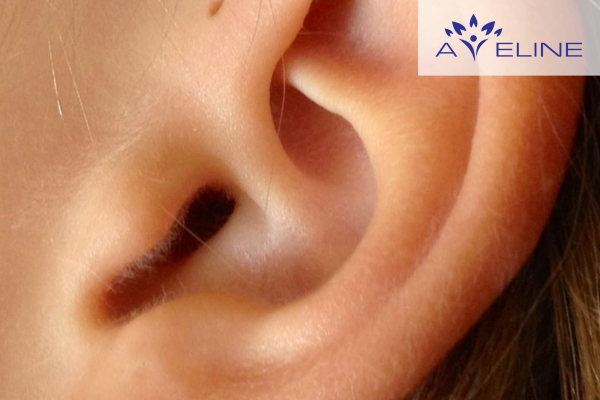
Ear hair has some functions:
- Ear hair, together with earwax, acts as a natural barrier preventing bacteria, dust, and small insects from entering the ear canal.
- Similar to body or nose hair, ear hair helps keep the ear area warm, especially in cold weather.
- Ear hair can help you detect when objects or insects come into contact with the outer ear.
What does hair on the left outer ear mean?
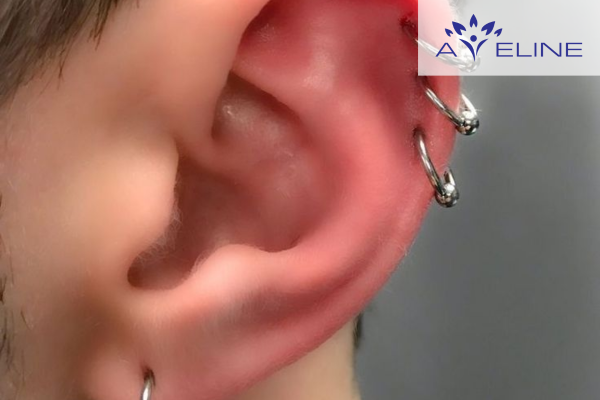
Although there is no clear scientific basis, some people believe that hair growing on the left outer ear symbolizes longevity, wisdom, and good health. Others worry it may indicate a problem.
Habitually sleeping on one side is sometimes thought to stimulate hair growth, but this has not been scientifically proven. In reality, there are no official documents confirming any special meaning of hair on the left outer ear, and it is completely normal.
Read more: What does hair growth on the male back mean?
Should you pluck or shave ear hair?
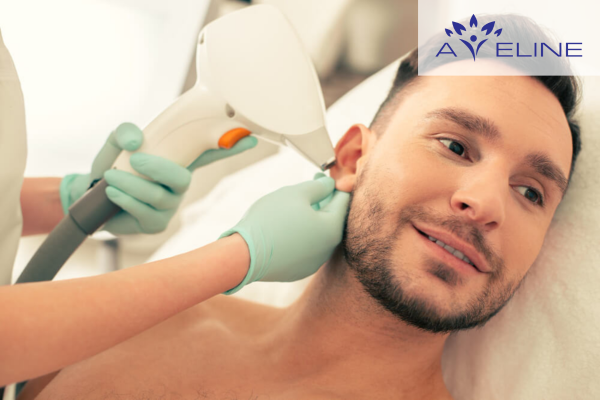
If you feel uncomfortable or less confident due to ear hair, you can remove it.
Using small scissors or a dedicated trimmer is a simple, safe, and easy method at home.
Plucking is not recommended because it may cause infection or folliculitis. Shaving is easier but requires caution because the skin around the ear is thin and easily scratched.
Waxing is a longer-lasting method but may cause irritation and pain if not done properly. Laser treatment is suitable for people with excessive ear hair; however, it is more expensive.
Since ear hair does not affect health, you can leave it as it is if it does not bother you.
Risks of leaving ear hair
Normally, ear hair is not harmful, but in some cases:
- Excess hair may trap water and sweat around the ear, increasing the risk of inflammation or fungal infections, especially when swimming.
- If hair grows into the ear canal, it may slightly block sound transmission and affect hearing.
- Hair touching surrounding skin may cause itching, discomfort, or irritation, especially for sensitive skin.
Aveline ear hair growth serum
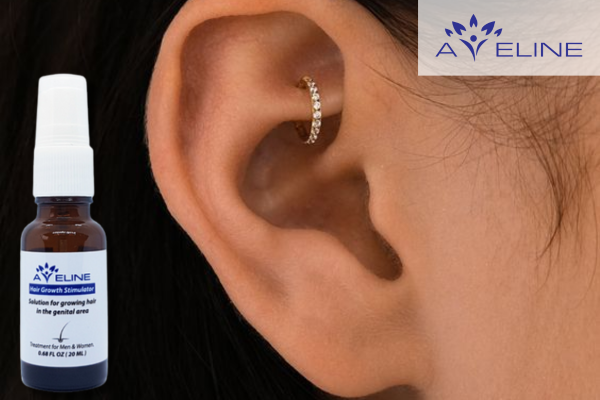
Aveline ear hair growth serum stimulates gentle, safe, and mild hair growth on the outer ear. It helps hair grow more clearly and thicker without drying or irritating the skin. The fast-absorbing formula does not feel sticky or greasy and is suitable for sensitive skin thanks to natural extracts. Product code: 092624917987
If you want to be different, create a personal style, or simply enjoy uniqueness, you can try using the serum. True beauty is about respecting and loving yourself, regardless of whether you have ear hair or not.
Conclusion
Through this article, Aveline has helped you understand hair growing on the left outer ear and its causes. This is a completely normal and common phenomenon. It does not affect health and is not a sign of any serious disease.

 Aveline-Hand-Sanitizer-Mint
 Aveline-Hand-Sanitizer-Mango
 Aveline-Eyebrow-Growth-Serum
 Aveline-Eyelash-Serum
 Aveline-herbal-moisture-cream
 Aveline-colagen-moisture-cream
 Aveline Hair Growth Stimulator
 Aveline Beard Growth Treatment