
-
HEALTH CARE
 Aveline-Hand-Sanitizer-Mint
 Aveline-Hand-Sanitizer-Mango
 -
EYE CARE
 Aveline-Eyebrow-Growth-Serum
 Aveline-Eyelash-Serum
 -
SKIN CARE
 Aveline-herbal-moisture-cream
 Aveline-colagen-moisture-cream
 -
Hair care
 Aveline Hair Growth Stimulator
 Aveline Beard Growth Treatment
News - events
What Does Chest Hair Mean?
Chest hair is one of the natural physiological characteristics of the human body. It is commonly found in men and less frequently seen in women. Chest hair is viewed not only from a biological perspective but is also associated with beliefs about personality, aesthetics, and physiognomy. So, what does chest hair mean? Let’s explore the answer in this article.
What Is Chest Hair?
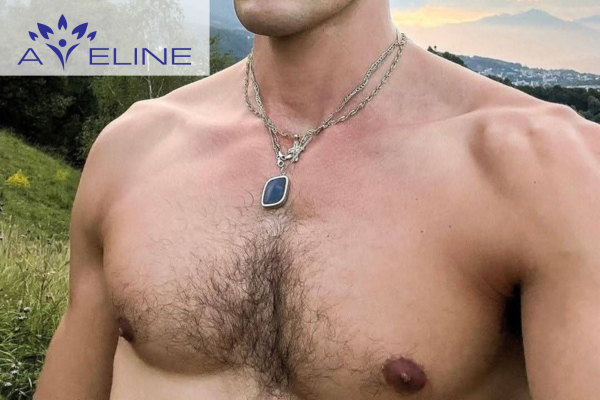
Chest hair is the hair that grows on the chest, typically becoming more noticeable after puberty, especially in men. The primary reason for chest hair growth is the presence of androgens, particularly testosterone, a male sex hormone.
The color, density, and growth patterns of chest hair depend on various factors, including genetics, hormone levels, individual characteristics, and ethnicity. In women, chest hair is usually fine, soft, or sparse. However, if a woman develops thick, dark chest hair, it may be a sign of a hormonal imbalance.
See also: Chest Hair in Women
What Does Chest Hair Mean Scientifically?

From a scientific perspective, chest hair does not directly affect health, determine life expectancy, or indicate reproductive ability. However, it can provide some insight into the body's hormonal activity.
People with chest hair may have greater sensitivity to androgens, allowing hair follicles to respond more strongly to these hormones. Chest hair may help reduce friction between the skin and clothing and provide a limited degree of insulation. Biologically, chest hair is simply a natural physical characteristic rather than a medical condition.
The Aesthetic Significance of Chest Hair

In traditional beauty standards, chest hair in men is often associated with strength, masculinity, and maturity. Many people consider men with chest hair to look rugged, attractive, and energetic. However, these perceptions are gradually changing.
Today, some people prefer trimmed or reduced body hair for a neater appearance and a greater sense of cleanliness. Therefore, the amount of chest hair does not determine attractiveness; it depends on cultural context and individual aesthetic preferences.
Chest hair in women is often considered less aesthetically desirable by some people, which may cause feelings of self-consciousness. This is particularly true when wearing bikinis or revealing clothing. As a result, some women choose to remove chest hair to feel more confident and comfortable with their appearance.
See also: Aveline Eyelash Growth Serum
The Meaning of Chest Hair in Physiognomy
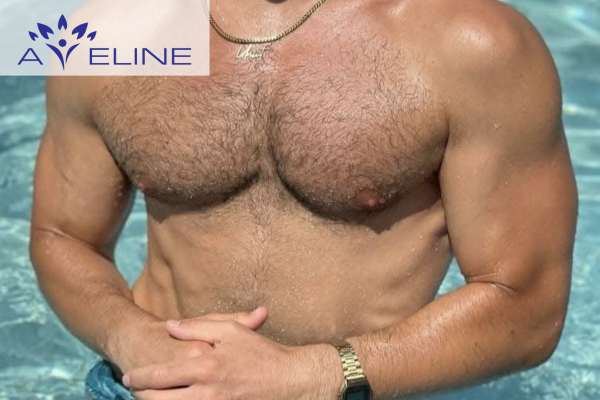
According to traditional Eastern physiognomy, men with a moderate amount of chest hair are often believed to have strong vitality, good health, a sense of responsibility, and an affectionate nature.
Men with thick chest hair covering most of the chest are traditionally thought to be decisive, strong-willed, and natural leaders, although they may sometimes be hot-tempered.
Those with little or no chest hair are sometimes believed to be calm, introverted, and more intellectually than physically inclined.
In folk physiognomy, women with chest hair are sometimes described as independent, strong-minded, and difficult to influence. Women with little or no chest hair are traditionally perceived as feminine, gentle, and more likely to make a favorable impression on others.
However, these beliefs do not accurately predict a person's personality or destiny. They are based primarily on traditional beliefs and folklore rather than scientific evidence.
Is Having a Lot of Chest Hair a Good Thing?

There is no definitive answer as to whether having a lot of chest hair is good or bad. It depends on several factors, including personal aesthetic preferences, individual comfort, and whether the hair affects daily activities.
However, chest hair growth may warrant medical attention if it is accompanied by hormonal symptoms, particularly in women who develop unusually thick hair or experience rapid, unexpected hair growth over a short period.
In such cases, consulting a healthcare professional for an examination and appropriate testing is advisable.
See also: Aveline Extra Strength Hair Growth Treatment
Should You Remove Your Chest Hair?
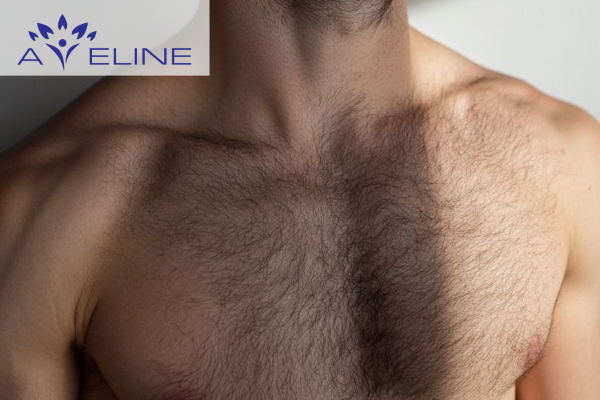
Whether to keep or remove chest hair is entirely a personal choice.
Some people choose to remove their chest hair to achieve their preferred appearance, feel more confident when swimming or wearing sleeveless clothing, or manage discomfort associated with sweat and friction.
Others prefer to keep their chest hair because they like their natural appearance, wish to avoid the cost and maintenance of hair removal, or associate chest hair with masculinity.
As long as it does not cause significant discomfort or indicate an underlying medical issue, there is generally no medical need to remove chest hair.
Aveline Chest Hair Growth Treatment for Stronger, Healthier Hair
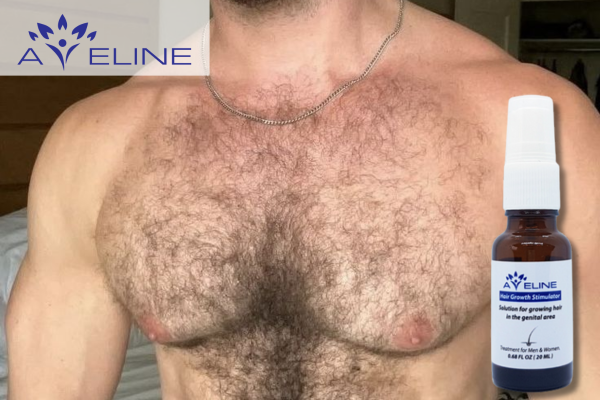
If you want to enhance your masculine appearance or simply experiment with a different look, you may consider Aveline Chest and Abdominal Hair Growth Treatment.
According to the manufacturer, this serum is designed to stimulate chest hair growth, making hair appear thicker, fuller, and more natural. It is marketed as a solution for sparse, thin, or weak chest hair and is intended to nourish the hair and improve its appearance, allowing users to achieve their preferred look.092624917987
Aveline claims that its chest hair growth product contains botanical ingredients, including argan, brahmi, and jojoba, which help nourish hair follicles and provide moisture to the skin.
The product is marketed as easy to use and formulated with natural ingredients. However, claims regarding its effectiveness, safety, and the absence of side effects should be independently verified. Natural ingredients can still cause irritation or allergic reactions, and evidence supporting their ability to stimulate chest hair growth may be limited.
Before using any hair growth product, check its ingredients and follow the manufacturer's instructions. If you have sensitive skin or experience irritation, discontinue use and consult a healthcare professional.
Conclusion
In this article, Aveline has explored what chest hair means from several perspectives. Chest hair is a normal physical characteristic that is influenced in part by genetics, individual biology, and hormonal activity.
Scientifically, chest hair does not determine a person's reproductive ability or overall health. In terms of physiognomy and aesthetics, its perceived meaning varies across cultures and societies.
Ultimately, what matters most is that you feel confident and comfortable in your own body, whether you choose to keep your chest hair or remove it.