
-
HEALTH CARE
 Aveline-Hand-Sanitizer-Mint
 Aveline-Hand-Sanitizer-Mango
-
EYE CARE
 Aveline-Eyebrow-Growth-Serum
 Aveline-Eyelash-Serum
-
SKIN CARE
 Aveline-herbal-moisture-cream
 Aveline-colagen-moisture-cream
-
Hair care
 Aveline Hair Growth Stimulator
 Aveline Beard Growth Treatment
News - events
Why Does Shaving Facial Hair Often Cause Acne?
Shaving facial hair is a popular beauty practice that helps the skin look smoother, brighter, and makes makeup application easier. However, many people experience acne after shaving their facial hair. In some cases, pimples, boils, and inflamed acne may even become more widespread than before.
So, why does shaving facial hair often cause acne? Let's explore the possible causes with Aveline in the article below.
Why Does Shaving Facial Hair Frequently Cause Acne?
Here are some of the main reasons why acne may develop after shaving facial hair.
Facial Hair Helps Protect the Skin
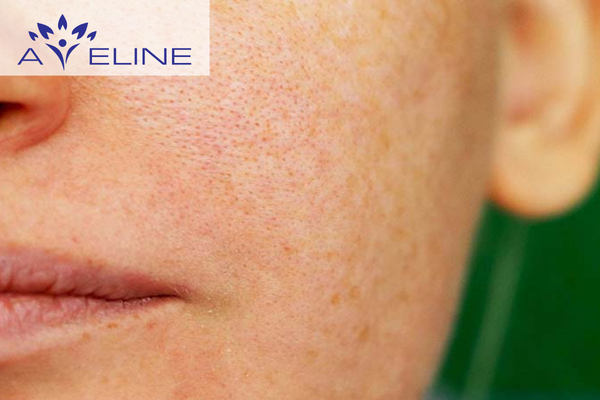
Facial hair, including fine vellus hair, does more than affect your appearance. It also serves as a natural protective barrier for the skin. This fine hair helps limit direct contact with bacteria and dust, regulates oil and sweat, and reduces friction from external environmental factors.
Shaving removes this natural layer of protection, leaving the skin more exposed to dust, bacteria, and other acne-causing factors. As a result, breakouts may become more likely, especially for people with sensitive skin.
See also: What Should You Apply to Your Skin After Shaving Facial Hair?
Damage to the Skin's Stratum Corneum
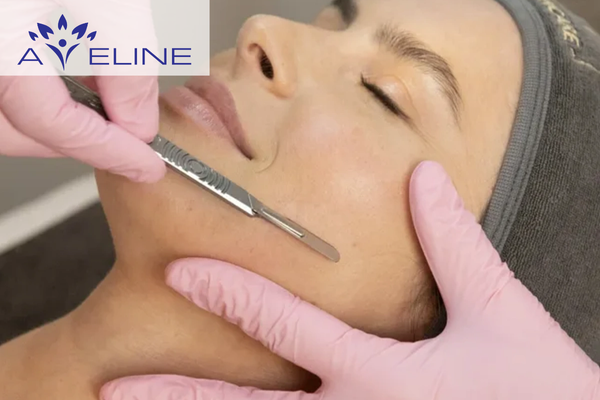
During the shaving process, the razor not only removes facial hair but may also strip away some of the thin outermost layer of dead skin cells, known as the stratum corneum. This layer plays an important role in retaining moisture, protecting the skin against bacteria, and maintaining the skin barrier.
When this protective layer is damaged, the skin may become more vulnerable, dry, red, and irritated. This can increase the risk of inflammation around hair follicles, folliculitis, and pustules.
Skin Damage and Micro-Cuts
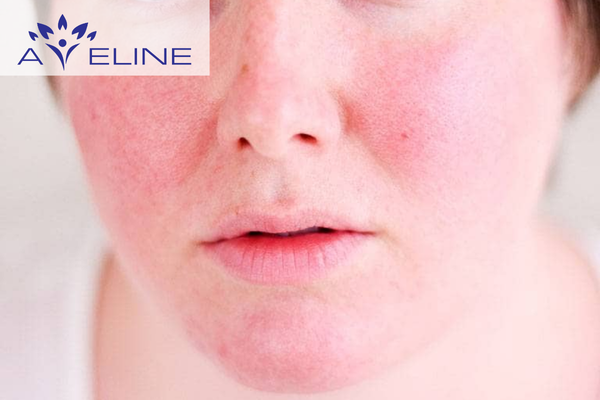
Even when you shave gently, a razor can create tiny cuts and abrasions that are invisible to the naked eye. These small injuries may make the skin more susceptible to irritation and bacterial infection.
Using an unclean or repeatedly used razor, as well as shaving against the direction of hair growth, can further increase the risk of irritation, acne-like bumps, and infection.
Clogged Pores
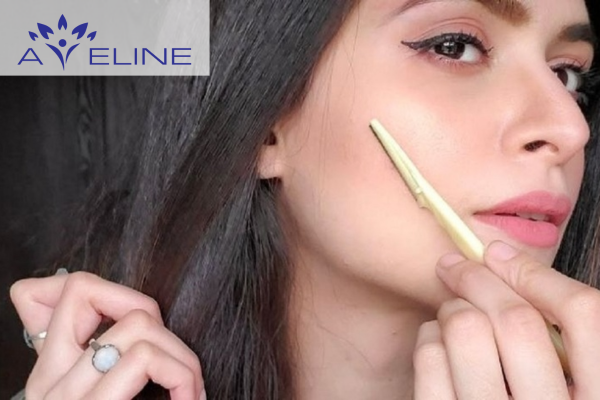
After shaving, the skin may become temporarily irritated, while excess sebum can accumulate on its surface. When oil combines with dead skin cells, dirt, and acne-causing bacteria, it can contribute to clogged pores.
This may lead to blackheads, whiteheads, and small inflamed pimples. The risk can be particularly noticeable in sensitive areas such as the cheeks, chin, and around the mouth, where the skin may be more delicate.
Sensitive Skin
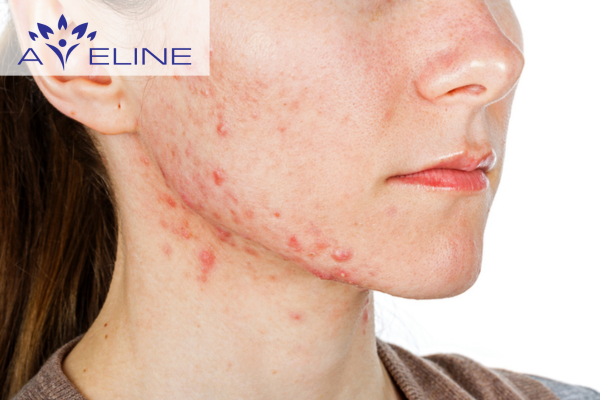
People with sensitive, oily, or acne-prone skin are more likely to experience breakouts after shaving their facial hair.
Excess sebum production, a weakened skin barrier, and inflammation around hair follicles can make the skin more reactive. As a result, the skin may not recover quickly, and existing acne may become worse after shaving.
See also: At What Age Can You Start Hair Removal Treatments?
Shaving Products That Cause Irritation
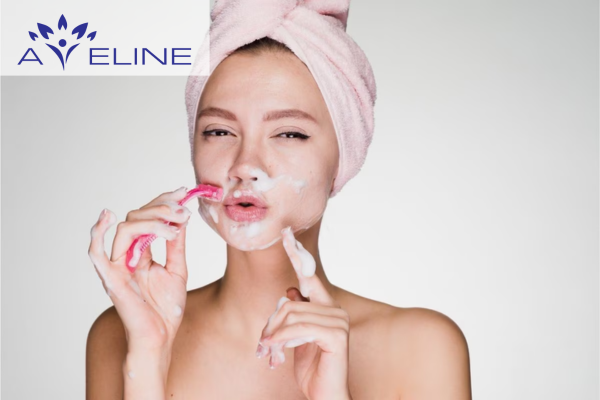
Another common reason for acne after facial shaving is using unsuitable shaving products or creams.
Some products contain preservatives, fragrances, harsh cleansing agents, or alcohol that may irritate the skin. For people with sensitive skin, these ingredients can trigger redness, breakouts, and contact dermatitis.
Choosing gentle, skin-friendly products is important to minimize irritation during and after shaving.
Improper Skincare After Shaving
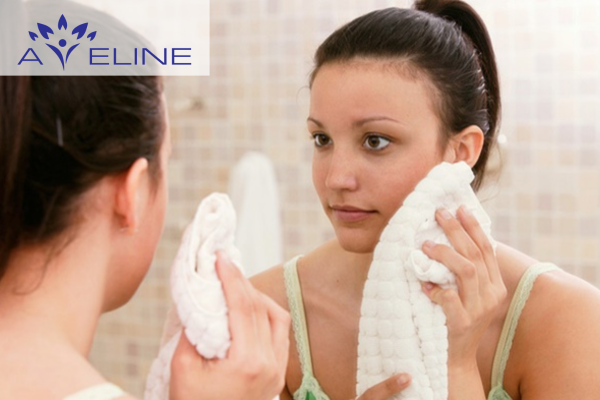
After shaving, the skin may be more sensitive than usual. However, many people continue using harsh cleansers, rubbing their faces with rough towels, or applying makeup immediately.
Inadequate cleansing and improper skincare can further irritate the skin, increase inflammation, and contribute to breakouts.
To help the skin recover, avoid excessive rubbing, use gentle skincare products, and keep the skin moisturized.
Shaving Too Frequently
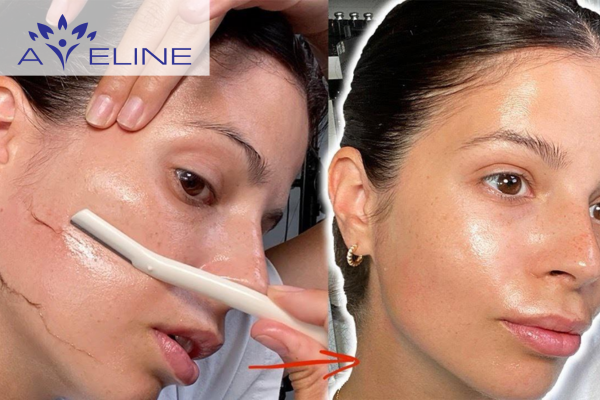
Shaving facial hair too often can prevent the skin from recovering properly between sessions.
Repeated friction may weaken the skin barrier, cause irritation, and increase the risk of inflammation around hair follicles. Over time, these problems may contribute to recurring acne-like bumps and make the skin more difficult to manage.
Allowing sufficient time between shaving sessions can help reduce unnecessary irritation.
Shaving at the Wrong Time
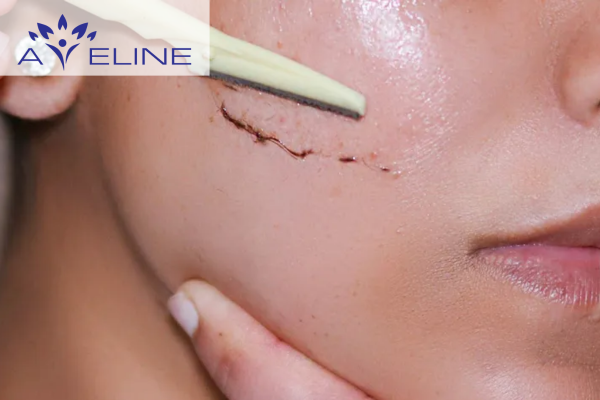
Shaving during the day, especially immediately before going outdoors, may expose freshly shaved skin to sunlight, dust, and environmental pollutants.
Since the skin may be more sensitive after shaving, exposure to these external factors can increase the likelihood of irritation and inflammation.
It is generally better to shave when you have enough time to complete your skincare routine and allow your skin to settle before going outside.
Individual Skin Type and Genetics
Finally, individual skin characteristics should not be overlooked.
Some people naturally have sensitive skin that is more prone to irritation and folliculitis. Even when they follow proper shaving techniques, they may still experience breakouts because of their skin's natural sensitivity.
Understanding your skin type can help you decide whether facial shaving is suitable for you.
See also: How Often Should You Shave Your Facial Hair?
Grow Your Facial Hair with Aveline Beard Growth Serum
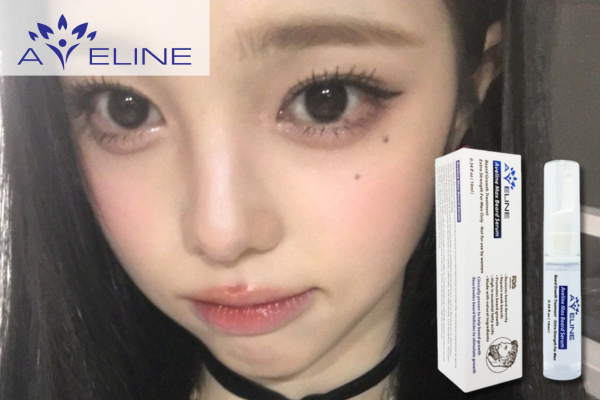
Shaving facial hair may cause irritation and damage to the skin barrier, potentially increasing the risk of breakouts, particularly in people with sensitive skin or a tendency to develop folliculitis.
Instead of shaving repeatedly, some people choose to grow their facial hair and beard as a personal grooming preference.
Aveline Beard Growth Serum is formulated with naturally derived ingredients and is marketed as a product designed to support beard growth and conditioning.
In addition to supporting beard growth, Aveline aims to help keep facial hair looking healthier, softer, and stronger.
Many users choose beard growth products to address concerns such as patchy beards, sparse facial hair, or areas where beard growth is uneven.
The serum is designed to support the appearance of fuller, more evenly distributed facial hair. However, individual results may vary depending on genetics, skin condition, and other factors.
Growing facial hair is a personal choice and does not guarantee protection against acne. Proper skincare and appropriate shaving or grooming practices remain important for maintaining healthy skin.
Conclusion
Through this article, Aveline has helped answer the question: Why does shaving facial hair often cause acne?
Acne and irritation after facial shaving are relatively common and can result from several factors, including skin barrier damage, tiny cuts, clogged pores, unsuitable shaving products, and improper skincare.
People with sensitive, oily, or acne-prone skin should be particularly careful when shaving their facial hair. Using clean shaving tools, following gentle techniques, and maintaining an appropriate skincare routine can help minimize irritation and reduce the risk of breakouts.