
-
HEALTH CARE
 Aveline-Hand-Sanitizer-Mint
 Aveline-Hand-Sanitizer-Mango
-
EYE CARE
 Aveline-Eyebrow-Growth-Serum
 Aveline-Eyelash-Serum
-
SKIN CARE
 Aveline-herbal-moisture-cream
 Aveline-colagen-moisture-cream
-
Hair care
 Aveline Hair Growth Stimulator
 Aveline Beard Growth Treatment
News - events
How Often Should You Shave Your Facial Hair?
Facial shaving has increasingly become a familiar part of many womens skincare routines. It can help create a smoother complexion and provide a more flawless makeup application. However, many people still wonder how often they should shave their facial hair. Lets explore the answer in this article from Aveline.
Is Facial Shaving Necessary?
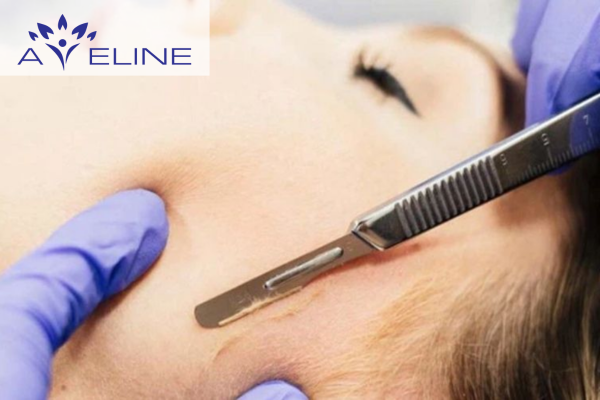
Facial hair helps protect the skin from sunlight, dust, and bacteria. However, some people have thicker facial hair, which can make foundation look patchy, adhere unevenly, and affect the overall appearance of their makeup.
Shaving facial hair properly can help create a smoother skin surface, improve makeup application, gently exfoliate the skin, and potentially enhance the absorption of skincare products.
However, improper facial shaving can damage the skin by disrupting its protective outer layer. This may lead to scratches, irritation, and folliculitis. The skin may also become more sensitive, making it more prone to irritation and breakouts.
Therefore, choosing an appropriate shaving frequency is essential to maintaining healthy skin.
See also: Why Do We Have Facial Hair?
How Often Should You Shave Your Facial Hair?
According to dermatological recommendations, there is no single shaving frequency that works for everyone. The ideal frequency depends on your skin type, hair growth rate, and the purpose of shaving.
In general, shaving once every 1–2 weeks is a common starting point for people who choose to remove their facial hair. However, the appropriate frequency may vary depending on individual skin tolerance.
Factors to Consider When Shaving Your Facial Hair
1. Exfoliation

If your goal is to improve skin texture and remove dead skin cells, shaving once a week may be sufficient for some people.
Avoid shaving more than twice a week, as frequent shaving may irritate the skin and interfere with its recovery. Allowing enough time between shaving sessions helps minimize irritation and maintain a healthy skin barrier.
2. Achieving a Flawless Makeup Look

If you only shave your facial hair for special occasions or to achieve a smoother makeup application, shaving once every 2–3 weeks may be sufficient.
Ideally, shave 1–2 days before applying makeup to give your skin time to settle and recover. This frequency may be suitable for people who do not need to remove facial hair regularly.
See also: Why Do Women Have Chest Hair?
How Often Should You Shave Based on Your Skin Type?
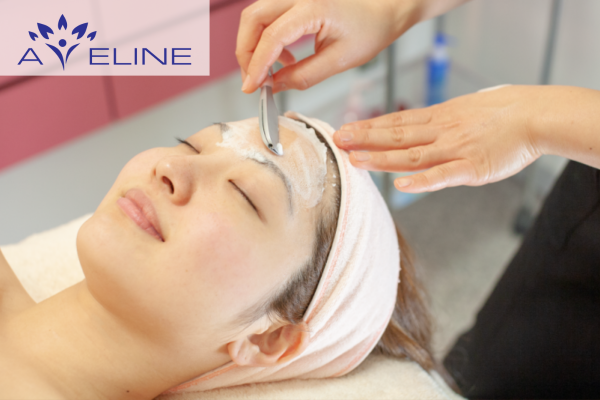
Normal and Healthy Skin
If your skin is healthy and not particularly sensitive, shaving once every 1–2 weeks may be appropriate.
After shaving, apply a gentle moisturizer and use sunscreen regularly to help protect your skin and support its recovery.
Sensitive Skin
Sensitive skin is more prone to redness, stinging, allergic reactions, and irritation after shaving.
For this skin type, shaving once every 2–4 weeks may be a more suitable starting point. Use a dedicated facial razor and gentle, soothing skincare products to minimize irritation.
If your skin frequently feels irritated or develops a stinging sensation after shaving, reduce the frequency or consider a gentler hair-removal method.
If you have inflamed acne or pustules, avoid shaving over the affected areas. Doing so may damage existing blemishes, spread bacteria, and worsen inflammation.
Wait until the acne has largely healed and your skin has recovered before shaving again.
The Effects of Shaving Your Facial Hair Too Frequently
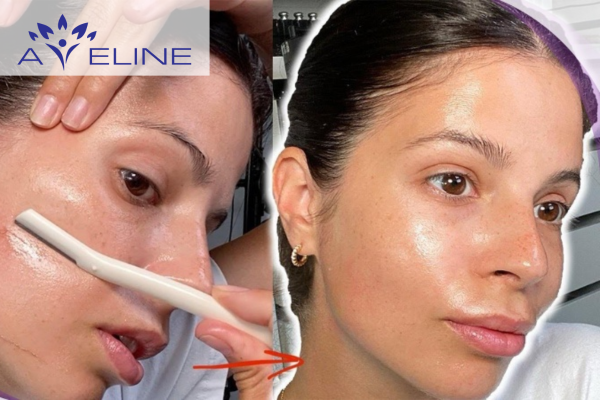
Shaving too frequently, especially every day or every other day, may cause several skin problems, including:
-
Dryness and rough skin texture.
-
Peeling and irritation.
-
Damage to the skins protective barrier.
-
Ingrown hairs.
-
Folliculitis.
Therefore, daily facial shaving is generally unnecessary, even if your facial hair grows back quickly.
If you experience stinging when applying skincare products, small bumps, persistent redness, or unusual dryness and tightness after shaving, you may need to reduce the frequency of shaving.
These symptoms may indicate that your skin has not had enough time to recover between sessions.
How to Help Your Skin Recover After Shaving
To maintain healthy skin and support recovery after each shaving session, follow these tips:

-
Avoid applying makeup immediately after shaving. Give your skin time to settle, especially if it is red or irritated.
-
Moisturize thoroughly. Choose gentle, fragrance-free skincare products to help maintain the skin barrier.
-
Apply sunscreen daily. Protect your skin from UV exposure, particularly when spending time outdoors.
-
Avoid exfoliating on the same day as shaving. Combining these treatments may increase irritation and compromise the skin barrier.
Following these precautions can help your skin recover properly between shaving sessions.
See also: What Does Chest Hair Mean?
Exploring Facial Hair Growth with Aveline Beard Growth Products
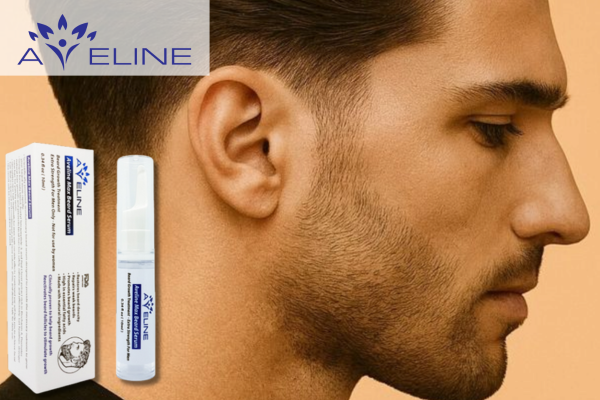
Growing facial hair is a popular choice among men who want to express their personal style or change their appearance. This may be particularly relevant for men whose facial hair grows unevenly, appears sparse, or does not form a well-defined beard or goatee.
Aveline offers a beard growth product marketed to help improve the appearance of facial hair. According to the brand, the product features a herbal extract-based formula and moisturizing ingredients designed to support beard care without leaving a greasy or sticky residue.
The product is intended to create a favorable environment for facial hair growth and help users achieve a fuller, softer, and more even-looking beard over time.
However, results may vary depending on individual factors, and the effectiveness of the product should not be assumed without reliable supporting evidence. Consistent grooming, appropriate skincare, and healthy lifestyle habits can also contribute to overall skin and hair health.
Conclusion
In this article, Aveline has explored the question: How often should you shave your facial hair?
The ideal frequency depends on your skin type, hair growth rate, and personal grooming goals. Shaving once every 1–2 weeks may be a reasonable starting point for people with healthy skin, while those with sensitive skin may benefit from longer intervals.
By choosing an appropriate shaving frequency and following a gentle skincare routine, you can help maintain smoother skin while minimizing irritation and damage to the skin barrier.
Visit Aveline to learn more about skincare and facial hair care.