
-
HEALTH CARE
 Aveline-Hand-Sanitizer-Mint
 Aveline-Hand-Sanitizer-Mango
-
EYE CARE
 Aveline-Eyebrow-Growth-Serum
 Aveline-Eyelash-Serum
-
SKIN CARE
 Aveline-herbal-moisture-cream
 Aveline-colagen-moisture-cream
-
Hair care
 Aveline Hair Growth Stimulator
 Aveline Beard Growth Treatment
News - events
Why Do We Have Facial Hair?
Facial hair is a natural biological characteristic found in both men and women, although there are differences in its color, thickness, and density. While facial hair in men is often associated with masculinity, it can make many women feel less confident about their appearance. So, why do we have facial hair, and what purpose does it serve? Let’s explore the answers in the article below.
Why Do We Have Facial Hair?
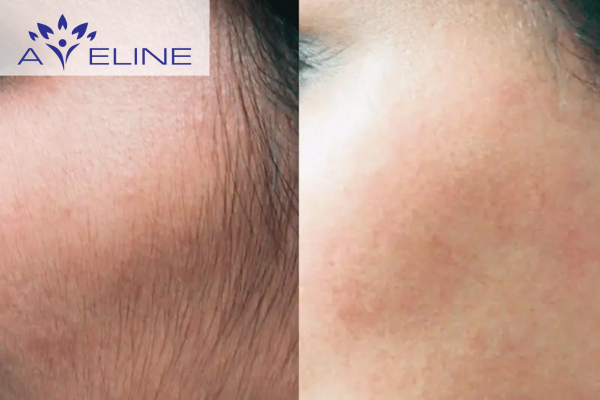
Facial hair refers to the hair that grows on the face, including the cheeks, chin, forehead, neck, and upper lip. Biologically, facial hair develops from hair follicles located deep within the dermis, the middle layer of the skin.
Each hair follicle has its own growth cycle, consisting of three phases: growth, rest, and shedding. In women, facial hair is typically fine, soft, and light in color, whereas in men, it tends to be thicker and darker due to the influence of male sex hormones.
One of the most important factors determining facial hair growth is hormones, particularly androgens, a group of hormones that includes testosterone. In men, higher androgen levels stimulate facial hair follicles to develop more prominently, resulting in features such as mustaches and beards.
Women generally have lower androgen levels, so their facial hair tends to be finer and lighter. However, when androgen levels are unusually high in women, facial hair may become coarser, thicker, and darker.
See also: Why Do Women Have Chest Hair?
What Is the Purpose of Facial Hair?
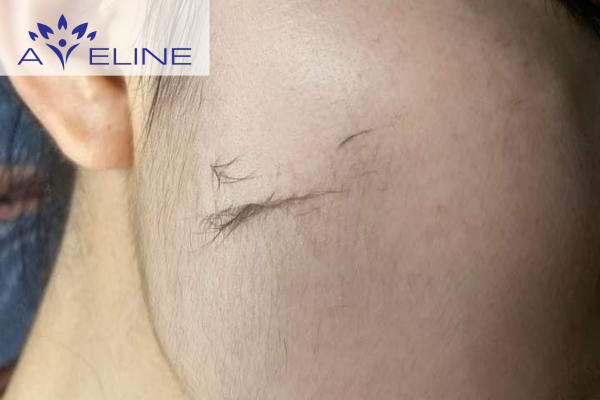
Although many people today consider facial hair undesirable for aesthetic reasons, it also serves several functions.
-
Helps filter particles: Certain facial hairs, particularly those in the nose, help trap dust and other airborne particles before they enter the respiratory tract. Fine facial hair may also provide a limited physical barrier against environmental particles.
-
Provides sensory feedback: Tiny hairs act as sensory structures, helping the skin detect changes in airflow, movement, and contact with nearby objects.
-
Offers limited protection: Some facial hair can provide a small degree of protection against friction and environmental exposure.
However, facial hair does not significantly prevent skin dehydration or provide substantial protection against sunlight. Sunscreen and appropriate skincare remain important for protecting the skin.
See also: What Is the Significance of Chest Hair?
Why Do Some People Have More Facial Hair Than Others?
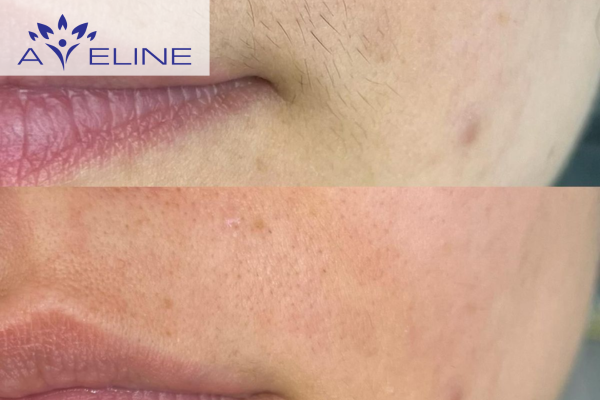
Not everyone has the same amount of facial hair. Differences in facial hair density and appearance can be attributed to several factors.
1. Genetics
Genetics influences the number of hair follicles, hair color, and how sensitive those follicles are to hormones. If several family members have noticeable facial hair, other family members may have similar characteristics.
2. Hormonal changes
Hormonal changes, particularly those involving androgens and estrogen, can affect facial hair growth. During puberty, rising hormone levels may make facial hair more noticeable. During middle age and menopause, hormonal changes can also cause some women to develop more prominent facial hair.
3. Underlying medical conditions
Certain medical conditions, such as polycystic ovary syndrome (PCOS) and some disorders affecting the adrenal glands, can contribute to excessive facial hair growth. Thyroid disorders may also be associated with changes in hair growth, although they are not a common direct cause of increased facial hair.
Poor sleep, prolonged stress, and an unbalanced diet can affect overall health and hormonal regulation, but they should not automatically be assumed to be the cause of excessive facial hair.
See also: Chest Hair in Women
Is Facial Hair in Women Abnormal?
In fact, almost all women have some facial hair, although its density, thickness, and color vary from person to person. Fine, light-colored facial hair is completely normal and usually does not indicate a medical problem.
However, facial hair may warrant medical evaluation when it appears suddenly or increases significantly over a short period, particularly when the hair becomes coarse, thick, and dark.
Other symptoms to watch for include:
-
Rapid, unexplained weight gain.
-
Irregular menstrual periods.
-
Persistent acne or other signs of hormonal changes.
-
Hair growth in other areas, such as the chin, chest, or abdomen.
If these symptoms occur together, consult a healthcare professional to identify the underlying cause and determine the most appropriate treatment.
Should You Remove Facial Hair?

Whether to remove facial hair depends on your personal preferences, aesthetic goals, and skin condition. There is no medical requirement to remove normal facial hair.
If your facial hair is fine and soft, you can leave it as it is or remove it gently if you prefer a smoother appearance.
For darker or coarser facial hair, several hair-removal methods are available, including:
-
Shaving: A simple, convenient method that cuts hair at the skin's surface.
-
Waxing: Removes hair from the root but may irritate sensitive skin.
-
Laser hair removal: Can provide longer-lasting hair reduction, although multiple sessions are usually required.
-
Other professional treatments: A qualified skincare professional can recommend suitable options based on your skin type and hair characteristics.
The most important consideration is choosing a safe method that suits your skin and minimizes irritation, inflammation, and other potential complications.
Using Aveline Beard Growth Products to Promote Facial Hair Growth
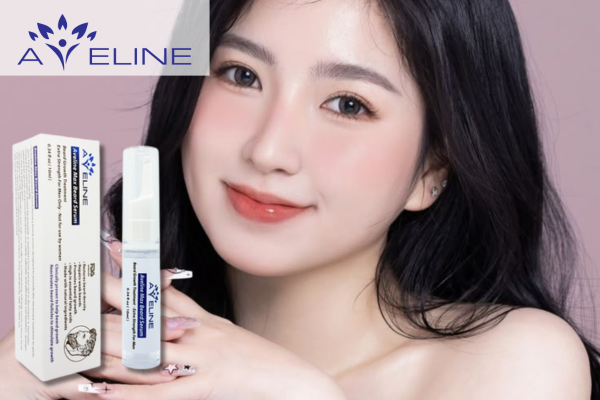
Aveline Beard Growth Product is marketed as a beard-growth product originating from the United States. According to the brand, it is intended for men who want to improve the appearance of sparse, thin, uneven, or patchy facial hair.
Some people may also consider beard-growth products to encourage facial hair growth. However, the effectiveness and safety of any product depend on its ingredients and formulation. Claims about stimulating hair follicles, improving blood circulation, or increasing hair density should be supported by reliable clinical evidence.
Before applying a beard-growth product to the face, check its ingredients and instructions carefully, especially if you have sensitive skin. Products intended for beard growth should not automatically be assumed to be safe or effective for every area of the face or for every individual.
Conclusion
In this article, Aveline has explained why humans have facial hair and what functions it serves.
Facial hair is a natural part of the human body, and its appearance varies according to genetics, hormones, and individual characteristics. Although it may affect a person's confidence or aesthetic preferences, facial hair is not inherently undesirable or abnormal.
Understanding why facial hair grows can help you make informed decisions about facial hair removal, skincare, and when to seek professional advice about unexpected changes in hair growth.