
-
HEALTH CARE
 Aveline-Hand-Sanitizer-Mint
 Aveline-Hand-Sanitizer-Mango
 -
EYE CARE
 Aveline-Eyebrow-Growth-Serum
 Aveline-Eyelash-Serum
 -
SKIN CARE
 Aveline-herbal-moisture-cream
 Aveline-colagen-moisture-cream
 -
Hair care
 Aveline Hair Growth Stimulator
 Aveline Beard Growth Treatment
News - events
How to Wash Your Hair When You Have a Wound
When you have a wound on your scalp, you need to be careful when washing your hair to avoid further damage. Without proper care, the wound may take longer to heal, cause pain, and affect the health of your hair. In this article, Aveline will guide you on how to wash your hair when you have a wound.
Things to Keep in Mind Before Washing Your Hair
Before you begin, consider the following:
.png)
- Assess the severity of the wound: If the wound is large, bleeding, or shows signs of infection (pus, swelling, redness), it’s best to avoid washing your hair until it heals and consult a doctor if necessary.
- Choose suitable products: Avoid shampoos containing harsh irritants such as artificial fragrances, alcohol, or sulfates, as they may worsen the condition.
- Use appropriate water temperature: Avoid very hot water as it can inflame the skin. Cold water may cause discomfort. Lukewarm water is the best option.
- Avoid rubbing: Do not apply strong pressure on the wound area to prevent further injury or delayed healing.
- Prepare a soft towel: After washing, gently pat your hair dry with a clean, soft towel instead of rubbing.
See more: Should Teenagers Shave Their Leg Hair During Puberty?
Step-by-Step Guide to Washing Hair with a Wound
If you have a scalp wound, follow these steps:
Step 1: Prepare your tools
.png)
- Mild shampoo without harsh chemicals or sulfates
- A basin or source of lukewarm water
- Clean, soft towel
- Medical gloves (if needed)
- Cotton or sterile gauze to cover the wound (for larger wounds)
See more: Disadvantages of Shaving Leg Hair
Step 2: Cover the wound if necessary
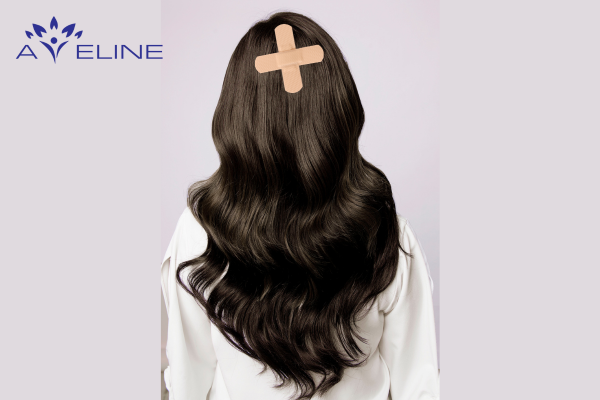
- If the wound is small and not fully healed, use cotton or gauze to cover it temporarily.
- If the wound has started to dry, you may wash your hair normally but avoid direct contact.
Step 3: Wet your hair
- Use lukewarm water to gently wet your hair, avoiding direct water flow on the wound.
- If the wound is sensitive or large, use a damp cloth to gently moisten your hair instead.
Step 4: Apply shampoo
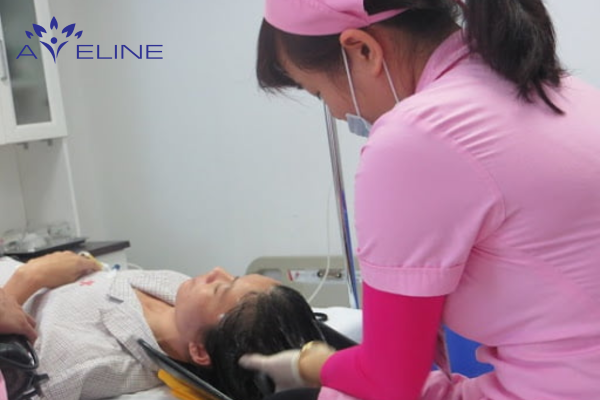
- Use a small amount of mild shampoo and lather it in your hands before applying.
- Gently massage areas without wounds to remove dirt and oil.
- Avoid rubbing directly on the wound; clean around it carefully.
Step 5: Rinse thoroughly

- Rinse with lukewarm water, avoiding letting soap run into the wound.
- If the wound is very sensitive, use a damp cloth to wipe away shampoo instead of rinsing directly.
Step 6: Dry your hair

- Pat your hair dry with a soft, clean towel. Do not rub the injured area.
- If using a hairdryer, keep a safe distance and use a cool setting.
See more: Should Girls Shave Their Leg Hair?
Step 7: Care for the wound after washing
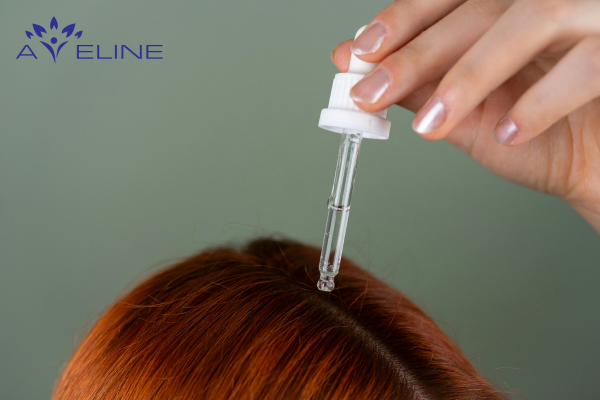
- Check the wound for bleeding or irritation.
- If needed, apply a soothing cream or antiseptic to help healing.
Alternatives When You Cannot Use Water
If the wound cannot come into contact with water or is too large, try these methods:

- Dry shampoo: Spray a small amount onto the roots, wait a few minutes, then wipe clean with a soft towel.
- Damp cloth cleaning: Use a soft cloth with warm water and mild shampoo to gently clean the scalp.
- Green tea or diluted apple cider vinegar: These have natural antibacterial properties and can help cleanse the scalp gently.
Things to Avoid When Washing Hair with a Wound

- Avoid shampoos with harsh chemicals like parabens, sulfates, or alcohol.
- Do not wash your hair too frequently, as it may slow healing and strip natural oils.
- Avoid scrubbing the wound area to prevent worsening the injury.
- Do not use high heat from a hairdryer, as it may irritate and dry the scalp.
Aveline Gentle Shampoo

Aveline Gentle Shampoo is a premium hair care product designed to cleanse gently without irritating the scalp. Made from natural ingredients, it is safe and effective for all hair types.
It provides moisture, keeps hair soft and smooth, prevents dryness, nourishes the hair, and protects it from damage.
Product code: 092624919028
The shampoo also helps regenerate scalp cells, reduce itching and irritation, minimize hair breakage, and promote hair growth.
Conclusion
Through this article, Aveline has guided you on how to wash your hair when you have a wound and what precautions to take. Washing your hair in this condition requires extra care to avoid further damage and support healing.
Choosing a gentle shampoo, using lukewarm water, and avoiding harsh rubbing are key principles to keep your hair clean without harming the wound.